
Best photos to send
- One close photo of the pest, if safe
- One wide photo of the room, wall, yard, attic, or entry point
- Droppings, damage, nest material, burrows, stains, or trails
NO MORE MR MICE GUY
(330) 289-6928Pest library
Use this guide to match what you are seeing with the right next step. When in doubt, text a clear photo of the pest, droppings, damage, entry point, nest, or affected room before scheduling.
Quick categories
Common household pests
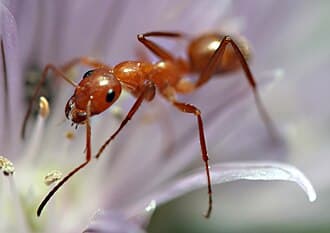
Trails near kitchens, windows, doors, foundations, pet food, or moisture areas.
Ants usually point to food, moisture, exterior entry points, or a nest close to the structure.
Text photos of the ants and where the trail starts so the source can be checked.
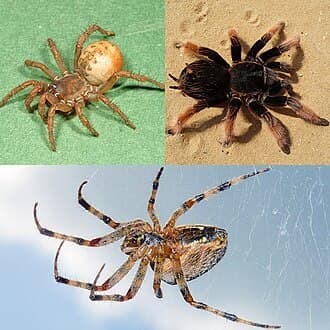
Webs, repeated sightings, basement activity, garage activity, or spiders following other insects.
Spider pressure often means other insects are present and the exterior edge needs attention.
Send photos of the spider, web areas, basement corners, garage, or exterior lights.
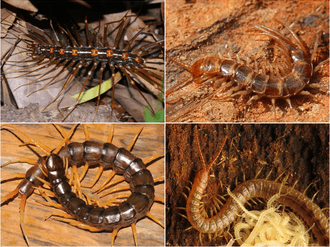
Many-legged pests in basements, bathrooms, utility rooms, garages, or damp lower levels.
Moisture, cracks, leaf litter, mulch, and foundation gaps often contribute to repeat activity.
Send photos of the pest and the damp or lower-level areas where they show up.
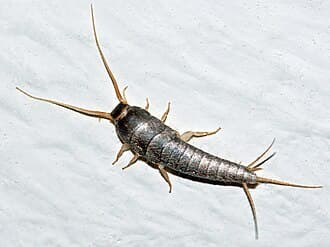
Activity in bathrooms, basements, laundry rooms, storage areas, or around exterior doors.
These pests often point to moisture, clutter, gaps, or exterior conditions close to the home.
Text photos of the pest and the room, door, drain, or storage area where it appears.
Advanced pest issues
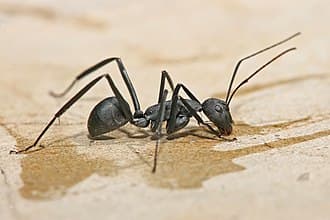
Large black ants, sawdust-like frass, wall void activity, or activity near damp wood.
Carpenter ants can be tied to moisture damage or nesting inside wood and wall voids.
Call or text photos before disturbing the area so the activity pattern is easier to read.
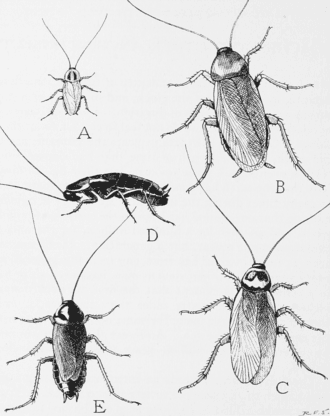
Roaches near kitchens, bathrooms, appliances, cabinets, drains, or warm hidden areas.
Roach problems can spread quickly and usually need targeted treatment plus sanitation guidance.
Send photos if possible and call before spraying, because sprays can scatter activity.
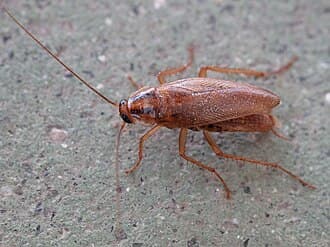
Small tan roaches, dark streaks, egg cases, or activity around appliances and cabinets.
German roaches are a higher-pressure indoor pest and often need follow-up and monitoring.
Call or text photos right away so the right prep, treatment, and follow-up can be planned.
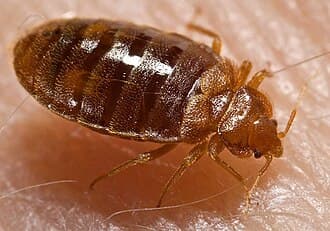
Bites, black spotting, shed skins, bugs near seams, headboards, couches, or sleeping areas.
Bed bug work depends on inspection, room layout, severity, preparation, and follow-up needs.
Save a sample or send a clear photo before moving furniture or throwing items away.
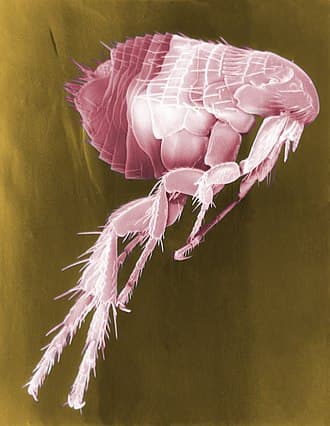
Bites around ankles, jumping insects, pet bedding activity, or issues after wildlife/rodents.
Fleas can involve pets, wildlife, rodents, carpets, furniture, and exterior resting areas.
Text where bites are happening and whether pets, rodents, or wildlife are involved.
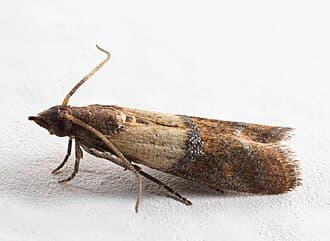
Small moths or beetles near flour, cereal, rice, pet food, spices, or stored dry goods.
The source is usually inside stored food, packaging, cabinets, or forgotten pantry items.
Send photos of the pest and affected food/storage areas before throwing everything out.
Stinging insects
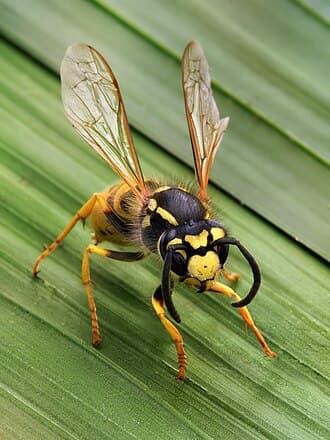
Nest activity, insects entering a wall void, ground nest activity, or heavy traffic near eaves.
Stinging insects can be dangerous, especially around ladders, walls, decks, and hidden nests.
Do not seal the hole first. Send a safe-distance photo or video of the entry point.
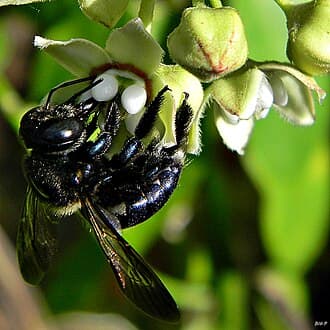
Round holes in wood, hovering bees, staining, sawdust, or activity near fascia, decks, or trim.
Carpenter bees can reuse wood areas and attract woodpecker damage when activity continues.
Text photos of the holes and the full wood area so access and treatment can be judged.
Wood-destroying insects
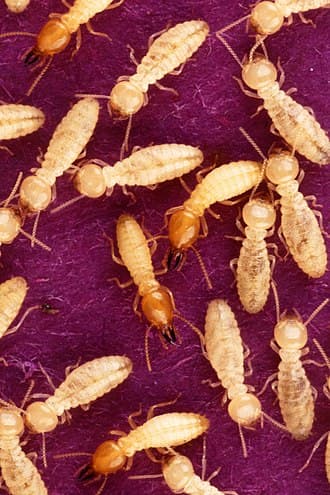
Mud tubes, damaged wood, swarmers, discarded wings, soft trim, or basement/foundation activity.
Termites need careful identification because moisture damage and other insects can look similar.
Take close and wide photos, then schedule an inspection before disturbing the evidence.
Seasonal pests
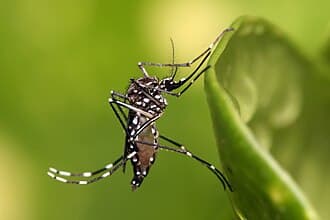
Biting around patios, shaded yard edges, standing water, planters, drains, or low spots.
Mosquito pressure often depends on water sources, shade, vegetation, and seasonal timing.
Send yard photos and mention where people or pets are getting bitten.
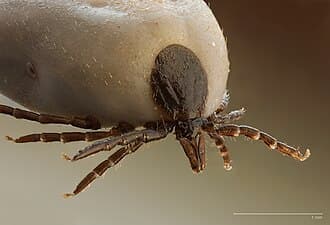
Ticks on people, pets, tall grass, brush, wooded edges, fences, or shaded yard borders.
Tick service is usually seasonal and works best with habitat reduction and targeted treatments.
Text photos of the yard edges, brush, pet areas, and where ticks are being found.
Rodents
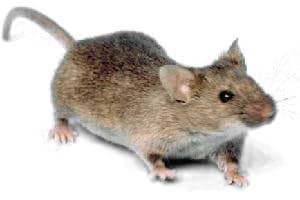
Droppings, scratching, chewed packaging, cabinet activity, garage activity, or basement trails.
Mice can enter through tiny gaps and often need inspection, control, exclusion, and sanitation advice.
Send photos of droppings, entry points, and the rooms where activity is strongest.
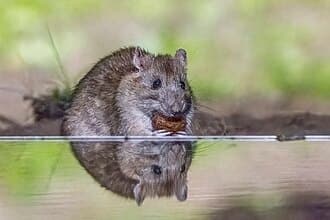
Larger droppings, burrows, gnaw marks, odor, exterior trails, or activity near trash/garages.
Rat work often requires stronger inspection, monitoring, sanitation, and entry-point planning.
Call and send exterior photos of burrows, trash areas, foundation edges, and droppings.
Yard and burrowing pests
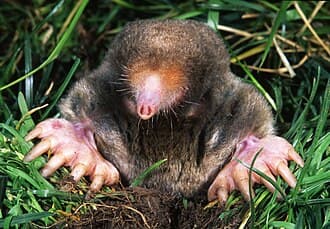
Raised tunnels, soft runs, damaged lawn areas, small holes, or plant/root damage.
The right next step depends on whether the issue is tunneling, feeding damage, or another animal.
Send yard photos from several angles so the pattern can be identified.
Northeast Ohio nuisance wildlife
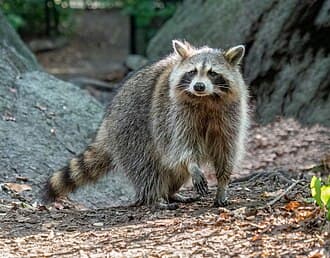
Noises in attics or chimneys, torn vents, roofline entry, trash disturbance, or droppings.
Raccoons can damage structures and create sanitation concerns; handling depends on Ohio rules.
Do not block the entry hole. Text photos of the opening, roofline, attic, or droppings.
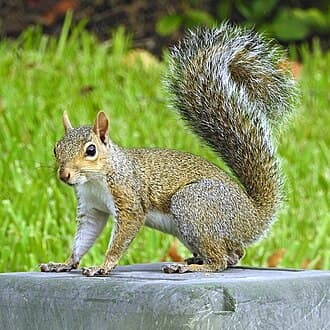
Daytime scratching, chewing, attic noise, soffit damage, roofline entry, or nesting.
Squirrel jobs usually need entry-point inspection, removal planning, and exclusion recommendations.
Send photos of roof edges, vents, soffits, and where the noise is heard.
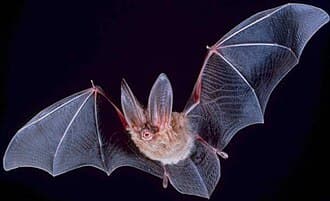
Bats in living space, attic activity, staining near gaps, droppings, or evening exit flights.
Bats can involve health concerns and seasonal/legal restrictions, so timing and method matter.
Do not handle bats. Call if a bat was in a living area, especially near sleeping people.
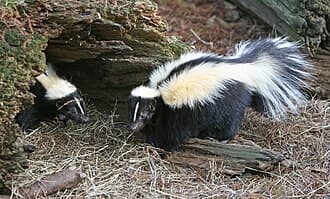
Strong odor, digging, denning under decks/sheds, lawn damage, or nighttime sightings.
Skunks often use gaps under structures and should be handled carefully to avoid spraying and bites.
Text photos of the den entrance, deck, shed, or digging without getting close.
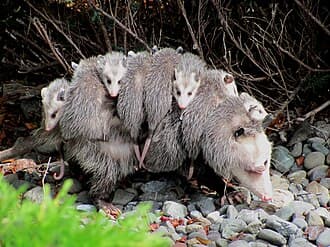
Nighttime activity, denning under structures, pet food/trash activity, or animals in window wells.
Opossums are often temporary visitors, but they can become a concern in confined or occupied areas.
Send photos and location details so Pierce can tell if exclusion or cleanup is needed.

Burrows under sheds, decks, slabs, foundations, gardens, or fence lines.
Burrows can undermine structures and attract other animals if openings are left unresolved.
Text wide photos of the burrow, structure, and surrounding yard before filling holes.
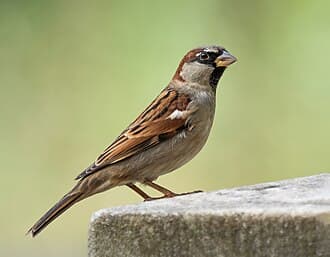
Nesting in vents, signs, gutters, soffits, dryer vents, or repeated droppings.
Many birds are protected by federal law, so removal, exclusion, and timing must be handled carefully.
Send photos of the nest location and do not remove active nests without guidance.
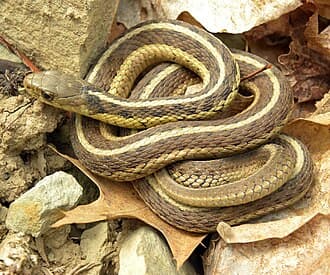
Snake sightings near foundations, basements, garages, sheds, wood piles, or damp areas.
Most snakes are passing through for shelter or food, but identification and safe distance matter.
Send a safe-distance photo. Do not try to handle or kill the snake.
Text a photo to Pierce Pest Control and describe where you found it. The first step is identifying the problem clearly.